
Every city has its hidden corners-places where people live on the edges of visibility, doing work that society both needs and refuses to name. In Dubai, as in many global cities, sex workers navigate a landscape shaped by law, stigma, and survival. They aren’t just statistics or moral cautionary tales. They are mothers, artists, migrants, students, and survivors. And they deserve space-not just to exist, but to be seen, heard, and protected.
Some turn to platforms like lovehub dubai to find clients safely, using technology to reduce exposure to violence and exploitation. These digital spaces, however imperfect, offer a degree of control that street-based work rarely does. For many, it’s not about glamour or luxury-it’s about choosing who they work with, setting boundaries, and keeping their income stable enough to feed their children or pay rent. The reality is far removed from the fantasies sold in ads for couple escort dubai or arabic escort dubai. Those terms often mask a deeper truth: demand exists, but systems fail to protect those meeting it.
Why ‘Whores of Babylon’ Isn’t Just a Biblical Metaphor
The phrase ‘Whores of Babylon’ comes from the Book of Revelation, where it’s used to symbolize moral decay and corrupt power. But today, it’s been reclaimed by activists and sex workers themselves as a way to flip the script. Babylon wasn’t just a city-it was a center of trade, culture, and sexuality. Women who worked in its temples or markets weren’t seen as sinners; they were part of the economy. Today’s sex workers in Dubai, Manila, Cape Town, or Sydney are doing the same thing: contributing to the urban economy while being punished for it.
Legal frameworks don’t reflect this reality. In Dubai, prostitution is illegal under Sharia law, but demand remains high. Tourists, expats, and locals alike seek companionship, intimacy, or simply escape. The law doesn’t stop that-it just pushes it underground. And when work goes underground, safety evaporates. Police raids, blackmail, and deportation become daily threats. No one is protected-not the worker, not the client, not even the people trying to help.
What ‘Space’ Really Means for Sex Workers
Creating space doesn’t mean opening brothels or legalizing pimping. It means recognizing sex work as labor. That shift changes everything. If you treat it as labor, then you apply labor rights: the right to refuse a client, the right to safe working conditions, the right to report violence without fear of arrest, the right to bank accounts and contracts.
In countries like New Zealand and parts of Germany, decriminalization has led to measurable drops in trafficking, improved health outcomes, and higher rates of reporting abuse. In Dubai, where the legal system criminalizes both the seller and the buyer, those protections don’t exist. Workers are forced to hide. They avoid hospitals after assaults. They don’t report stolen money. They stay silent because speaking up means losing everything-shelter, income, freedom.
Space also means digital space. Apps and platforms that allow workers to screen clients, share safety tips, and build peer networks are lifelines. They’re not perfect-scammers exist, algorithms can be biased, and tech companies often shut them down under pressure. But for many, they’re the only tools available to reduce risk.

The Myth of ‘Rescue’ and the Harm of Moral Panic
Too often, people who claim to ‘help’ sex workers are the ones causing the most damage. Anti-trafficking campaigns that shut down entire websites don’t save people-they destroy livelihoods. Organizations that offer ‘exit programs’ assume everyone wants to leave, but many don’t. Some choose this work because it pays better than nursing, teaching, or cleaning hotels. Others use it to fund education or support family back home.
Calling someone a ‘victim’ without asking them if they feel like one is a form of erasure. It denies their agency. It treats them like children who can’t make their own choices. The truth is, most sex workers aren’t waiting for a white knight to save them. They’re asking for the same thing anyone else wants: respect, safety, and the right to do their job without being criminalized.
When NGOs push for raids on apartments or massage parlors, they’re not targeting traffickers-they’re targeting people trying to survive. In one 2023 report from the International Union of Sex Workers, over 60% of respondents said police raids were the most dangerous part of their job. Not clients. Not violence. Not stigma. The police.
How to Actually Help
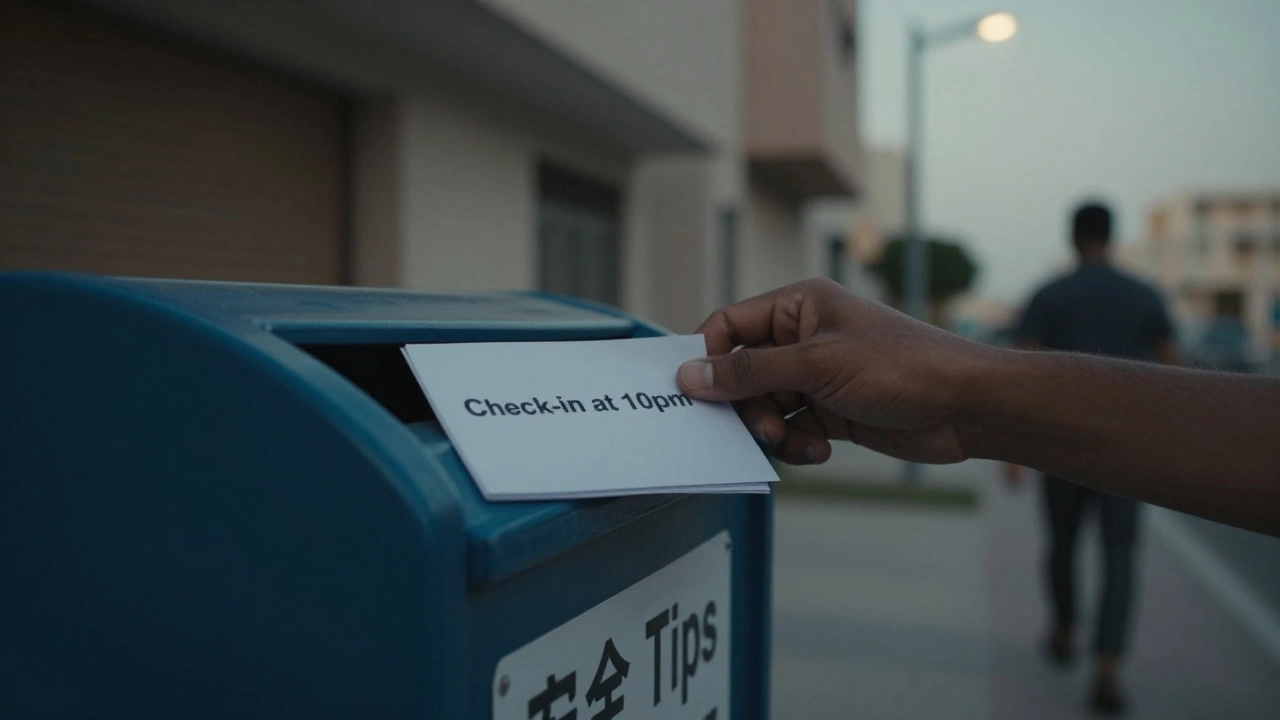
If you want to support sex workers, start by listening. Follow organizations led by current and former workers. Donate to collectives that provide legal aid, health screenings, and housing. Advocate for policies that decriminalize sex work, not regulate or criminalize it further.
Don’t volunteer for ‘rescue’ missions. Don’t post about ‘saving’ women on social media. Don’t assume you know what’s best. Instead, amplify the voices of those doing the work. Read reports from groups like the Global Network of Sex Work Projects. Support campaigns that demand the removal of laws that punish people for selling sex.
And if you’re in Dubai or visiting, understand this: the people behind the ads for couple escort dubai or arabic escort dubai aren’t characters in a fantasy. They’re real people with names, families, and fears. The moment you see them as human-instead of a service, a fetish, or a sin-is the moment real change can begin.
What Comes Next?
Change won’t come from laws passed in distant parliaments. It’ll come from the ground up-from workers organizing, from clients refusing to exploit, from communities refusing to look away. It’ll come when a nurse in Dubai doesn’t call the police when a sex worker walks into the ER with a broken rib. When a landlord doesn’t evict someone because they’re suspected of sex work. When a tourist stops asking for ‘the best Arabic escort’ and starts asking, ‘How can I make sure this person is safe?’
There’s no quick fix. But there’s a clear path: treat sex work like work. Protect the people doing it. Stop pretending they don’t exist. And stop letting fear decide who gets to be safe.




Write a comment